Securing an effective pest control service in Philadelphia requires targeting the shared party walls, stone rubble foundations, and subterranean utility penetrations unique to regional historic architecture. Active infestations of Norway rats, house mice, German cockroaches, and eastern subterranean termites travel continuously across attached rowhouses without precise mechanical exclusion.
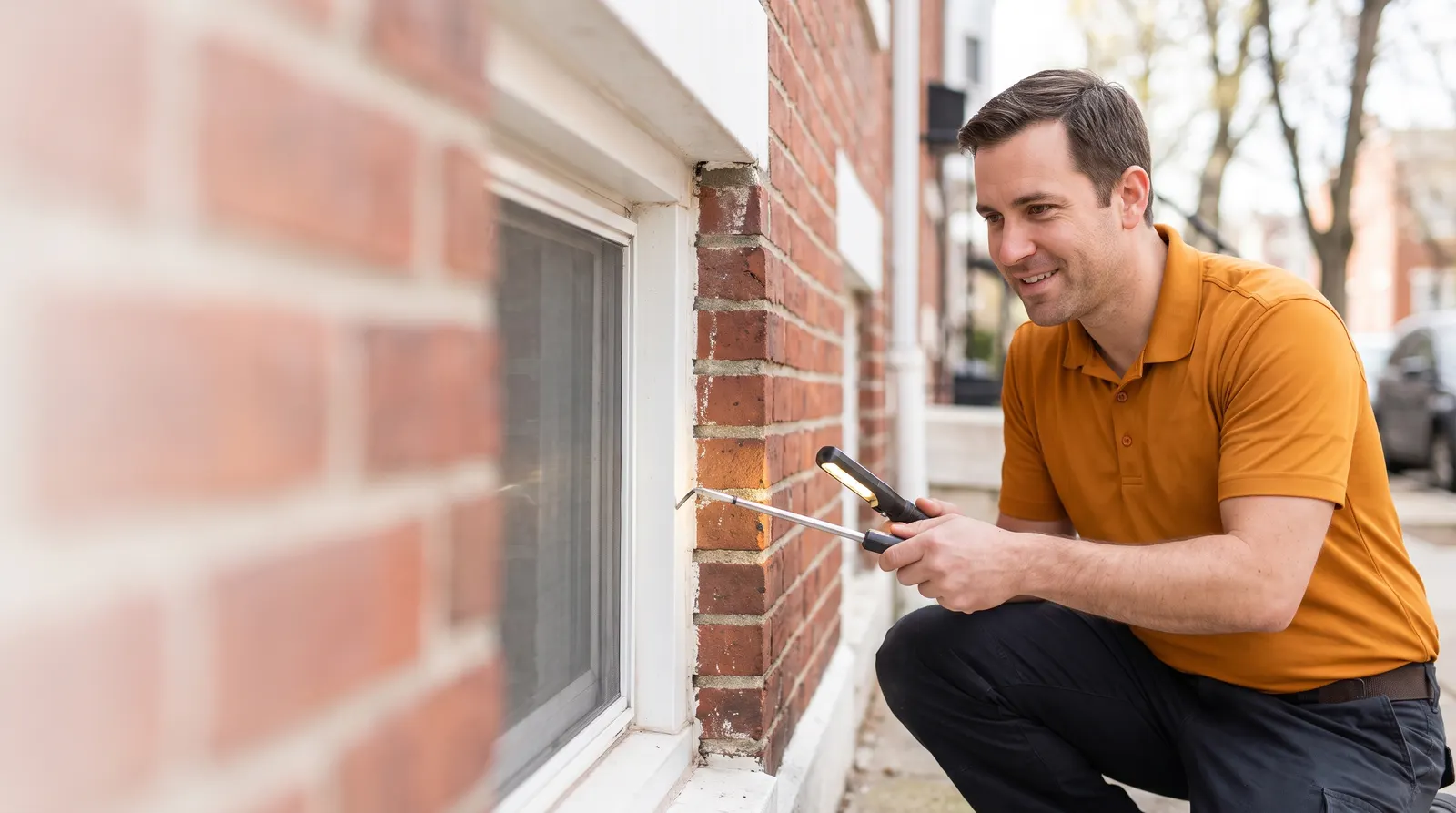
A pest control service in Philadelphia is a specialized urban management and structural remediation process that eliminates insects and rodents from residential rowhouses, basements, and commercial properties throughout Philadelphia County.
Every service reflects the same meticulous attention to detail, whether it's a single job or a larger pest control service project across Philadelphia.
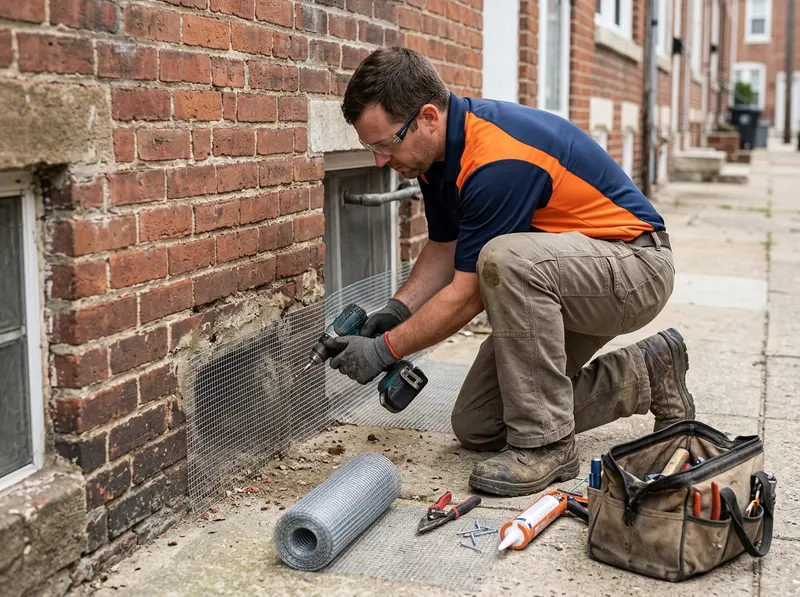
Physical mechanical barrier installation seals common foundation gaps, utility pipe penetrations, and shared floor joist pockets in attached rowhomes against Norway rats (Rattus norvegicus) and house mice (Mus musculus). Service includes installing 16-gauge galvanized hardware cloth, coarse copper mesh, and hydraulic cement mortar along basement sill plates, party walls, and crawlspaces. Technicians identify sub-floor voids, unsealed sewer cleanouts, and exterior foundation gaps down to one-quarter inch, cutting off subterranean highway access between adjacent properties without relying solely on exterior rodenticides.
Get a quote →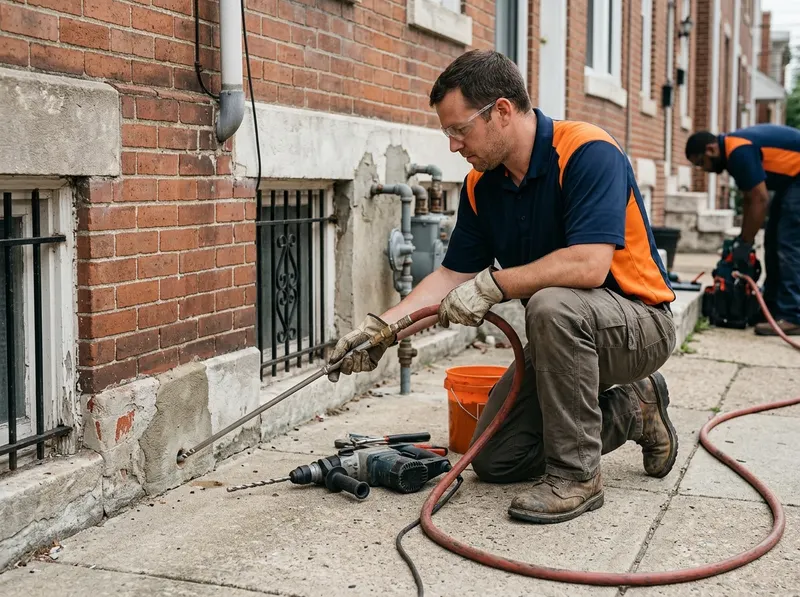
Liquid barrier trenching and targeted monitoring systems neutralize eastern subterranean termites (Reticulitermes flavipes) infesting load-bearing structural timbers, sill plates, and subfloor assemblies. Technicians introduce non-repellent termiticides directly into sub-slab soil, foundation masonry cores, and exterior perimeter trenches to halt satellite reproductive colonies. Every application targets the hidden paths termites construct over stone foundations, protecting structural framing from moisture-seeking colonies originating deep in the Philadelphia water table.
Get a quote →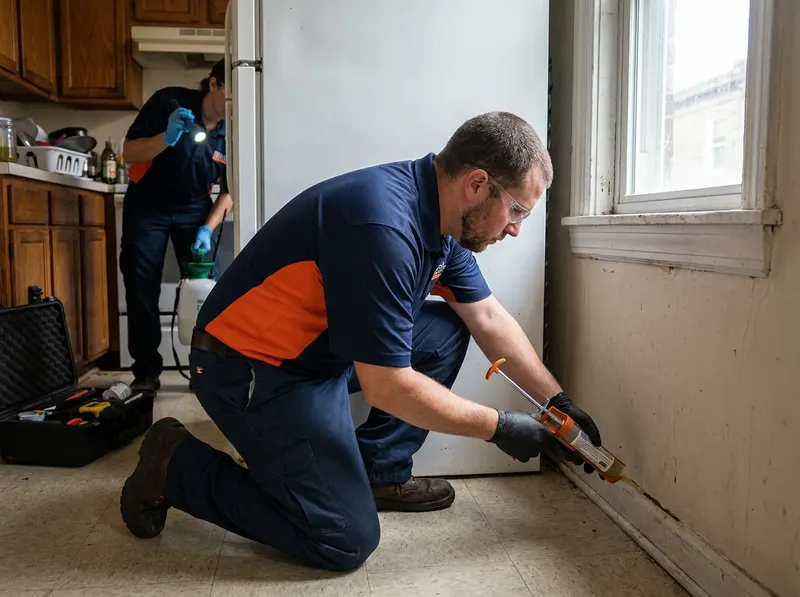
Systematic suppression of heavy kitchen and bathroom German cockroach (Blattella germanica) infestations uses precision micro-dose gel baiting, insect growth regulators (IGRs), and targeted void treatments. Protocol halts reproductive egg casing (ootheca) viability and prevents grease-line migrations across attached interior plumbing walls and electrical chases. This multi-stage process targets high-aggregation harborages behind commercial sinks, motor housings, baseboard heaters, and warm appliance compressors, ensuring complete colony eradication.
Get a quote →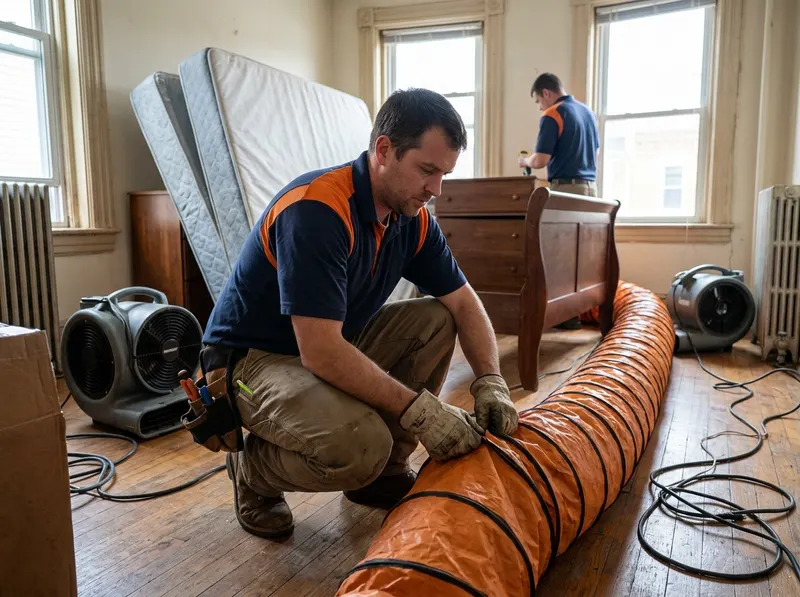
Convective industrial heating equipment raises interior room temperatures between 122 and 135 degrees Fahrenheit, sustaining lethal heat levels to eradicate adult bed bugs (Cimex lectularius), nymphs, and eggs within structural cracks and upholstered furniture. High-temperature treatments neutralize pesticide-resistant populations in a single eight-hour cycle. High-velocity air movers circulate heated air deep into interior wall cavities, behind decorative molding, under hardwood flooring, and inside mattress batting without chemical residues.
Get a quote →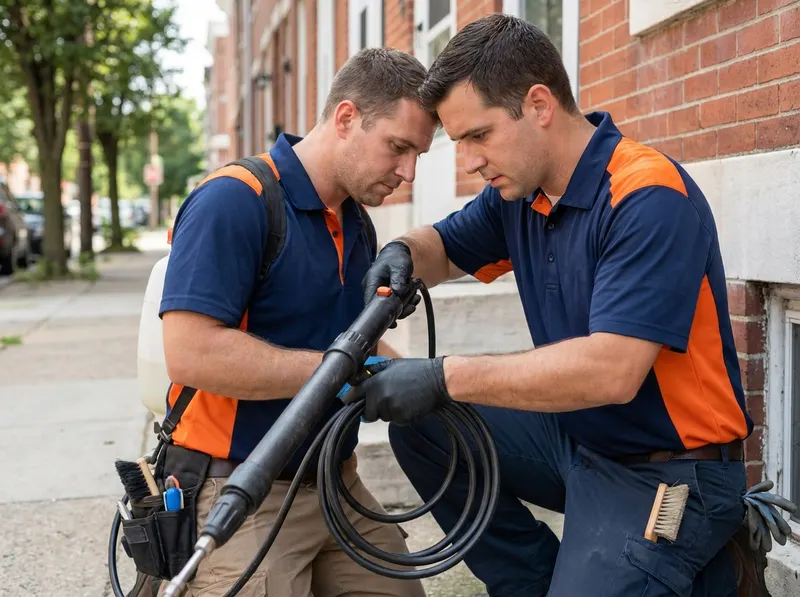
Continuous perimeter barrier applications around outdoor foundation masonry, subterranean window wells, and ground-level door thresholds suppress seasonal intrusions of pavement ants, house centipedes, millipedes, and earwigs. Formulations use micro-encapsulated polymers that resist chemical breakdown from heavy precipitation, seasonal humidity, and direct sunlight. Technicians treat a comprehensive 3-foot vertical band up the building wall and a 5-foot horizontal band along adjacent soil or pavers to intercept crawling arthropods before structural entry.
Get a quote →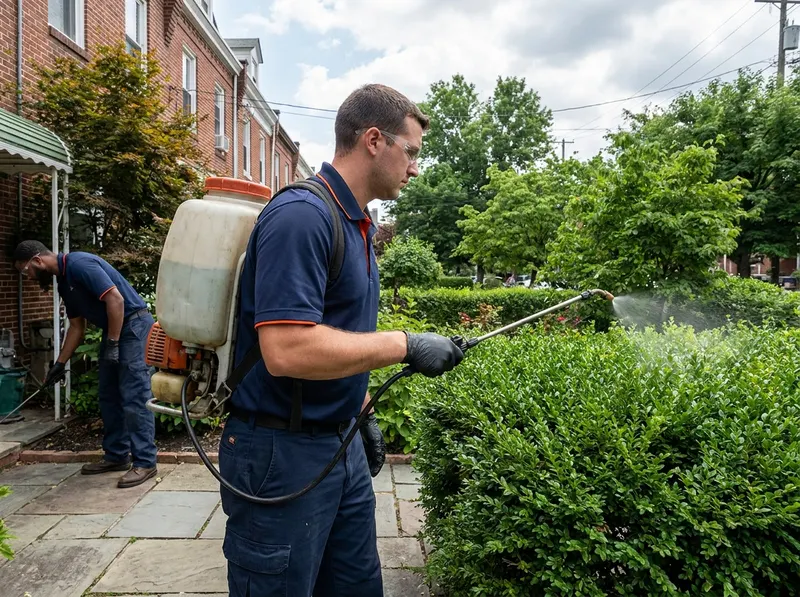
Targeted misting and biological larvicide applications disrupt breeding cycles of Culex pipiens and Asian tiger mosquitoes (Aedes albopictus) in shaded urban yards, dense perimeter ivy, and standing water collection points. Technicians apply micro-droplet residual treatments to the undersides of dense foliage, brick boundary walls, covered patios, and gutter downspouts. Larvicide briquettes containing Bacillus thuringiensis israelensis (BTI) treat standing water basins, sumps, and rain barrels to eliminate mosquito larvae before emergence.
Get a quote →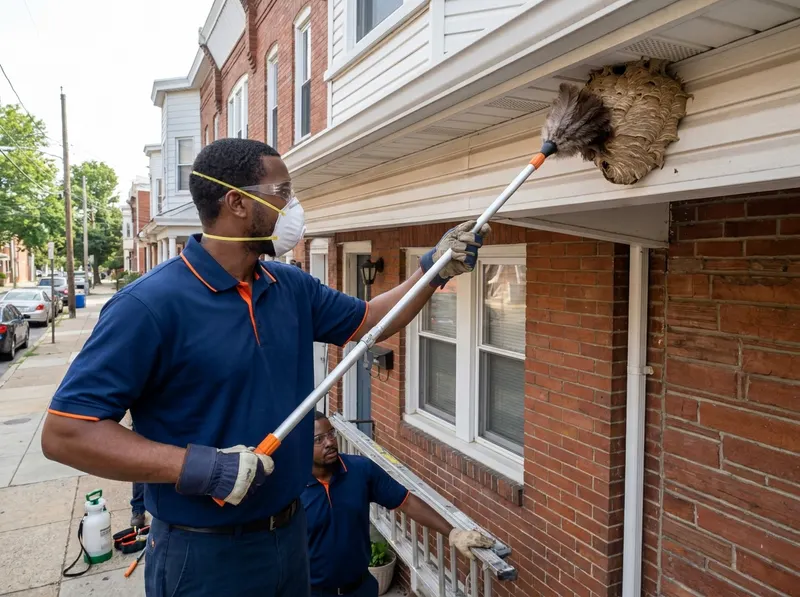
Direct mechanical extraction and targeted pressurized aerosol injection eradicate aerial bald-faced hornet nests, yellow jacket ground colonies, and paper wasp clusters from eaves, cornices, soffits, and exterior brickwork. Work eliminates aggressive stinging insects near high-traffic entry points, roof decks, and second-story window frames. Technicians apply residual dust formulations directly into entry voids to prevent re-infestation of structural wall cavities, followed by physical removal of the protective nest envelope.
Get a quote →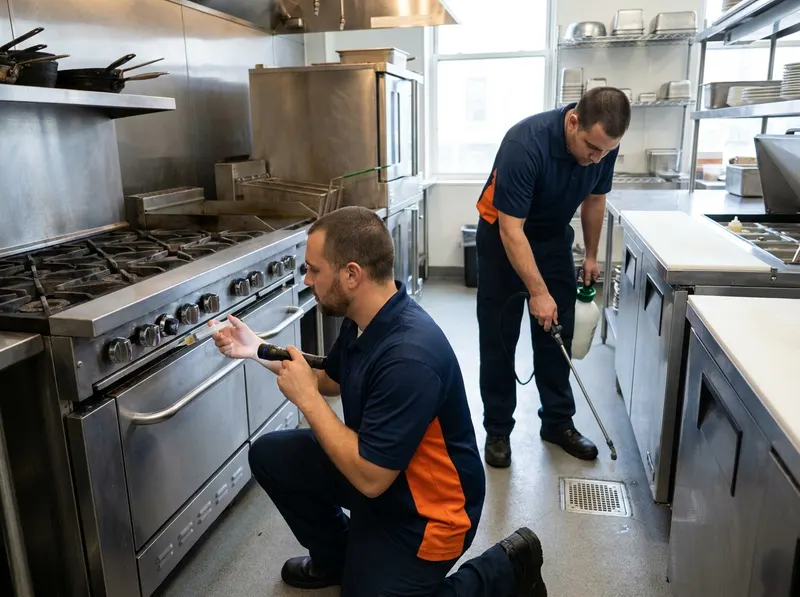
Preventative regulatory compliance service addresses drain flies (Psychodidae), fruit flies (Drosophila melanogaster), and rodents in food prep facilities, bakeries, and hospitality environments. Regimens combine enzymatic bio-foam drain cleanouts, tamper-resistant low-profile monitoring stations, and non-toxic insect light traps to satisfy municipal health department standards. Technicians maintain comprehensive pest activity logs, monitor food waste disposal corridors, and seal wall penetrations around commercial walk-in refrigeration units.
Get a quote →You get a firm, itemized quote for your pest control service before any work begins, no surprises, no pressure.
Careful prep, tidy work, and a full cleanup when we are done. We treat your home and belongings like our own.
The same trusted, background-checked team from the first call to the final check.
If you manage an active rodent entry inside a continuous brick rowhouse, choose comprehensive structural exclusion and physical sealing rather than isolated chemical baiting. Interior snap traps and rodenticide blocks reduce initial populations within 48 to 72 hours, but unsealed utility conduits, loose plumbing chases, and crumbling lime mortar foundations invite immediate re-infestation from adjacent properties; the trade-off is higher upfront labor and material costs for permanent 16-gauge copper or galvanized steel mesh installation versus cheaper, recurring bait replenishment that leaves the structural envelope vulnerable. If you encounter German cockroaches in multi-unit structures or attached kitchens, choose dual-action insect growth regulators combined with target-specific non-repellent gel baits over broad-spectrum aerosol fogging; broad-spectrum pyrethroid sprays trigger an alarm response that scatters cockroach colonies deeper into sub-wall voids and adjacent units, extending the eradication timeline by weeks, whereas targeted abamectin or dinotefuran baits transfer through nesting clusters via coprophagy to achieve total colony collapse.
If eliminating a bed bug introduction, choose whole-room thermal convective heat remediation over multi-week topical chemical applications; thermal heat penetrates deep into plaster lathe, mattress cores, and behind baseboards in one eight-hour treatment, though it requires extensive physical pre-treatment preparation compared to less disruptive, multi-visit liquid residual applications that require 30 to 45 days of progressive hatch cycles to complete. If addressing subterranean termites along a rubble foundation, choose non-repellent liquid termiticide perimeter trenching over stand-alone monitoring stations when structural joists are actively compromised; trenching creates an immediate chemical boundary that foraging workers track back to the subterranean nest, while baiting stations require several months of consistent feeding before colony suppression takes effect.
Every project gets a firm, written price after a free on-site visit. Ranges below for orientation.
Tell us about your pest control service job and we'll send a clear, written quote, usually the same day. Or just call and talk to a real Philadelphia pro.
(267) 601-9681
Philadelphia properties present distinct pest control challenges driven by the city's specific architectural heritage, high structural density, and interconnected underground infrastructure. Across historic neighborhoods like Queen Village, Fishtown, and South Philadelphia, rowhouses share continuous, load-bearing party walls built with porous soft-mud brick and lime-based mortar that degrade over decades, creating subterranean passageways for Norway rats and mice. In river-adjacent and steeply graded areas such as Manayunk, Port Richmond, and neighborhoods bordering the Schuylkill and Delaware rivers, shallow water tables and aging combined municipal sewer mains provide ideal subterranean humidity for American cockroaches and subterranean termites. Termite swarmers regularly emerge between March and May, exploiting cracked rubble stone foundations near wooded urban canopies like Fairmount Park, Wissahickon Valley Park, and the woodlands of Chestnut Hill and Mount Airy. Furthermore, the absence of exterior side yards in connected rowhome blocks means pests move laterally through ceiling joist bays, party wall chases, and shared sub-slab spaces. Generic suburban perimeter treatments prove ineffective in this urban environment; long-term pest management throughout Philadelphia County requires structural exclusion, masonry pointing, hydraulic sealing, and precise localized void injections adapted to historic residential buildings.
Free estimates for Philadelphia & the surrounding area.
 Kelvoro Pest Solutions